
5 Questions to Ask a Roofing Contractor After a Storm
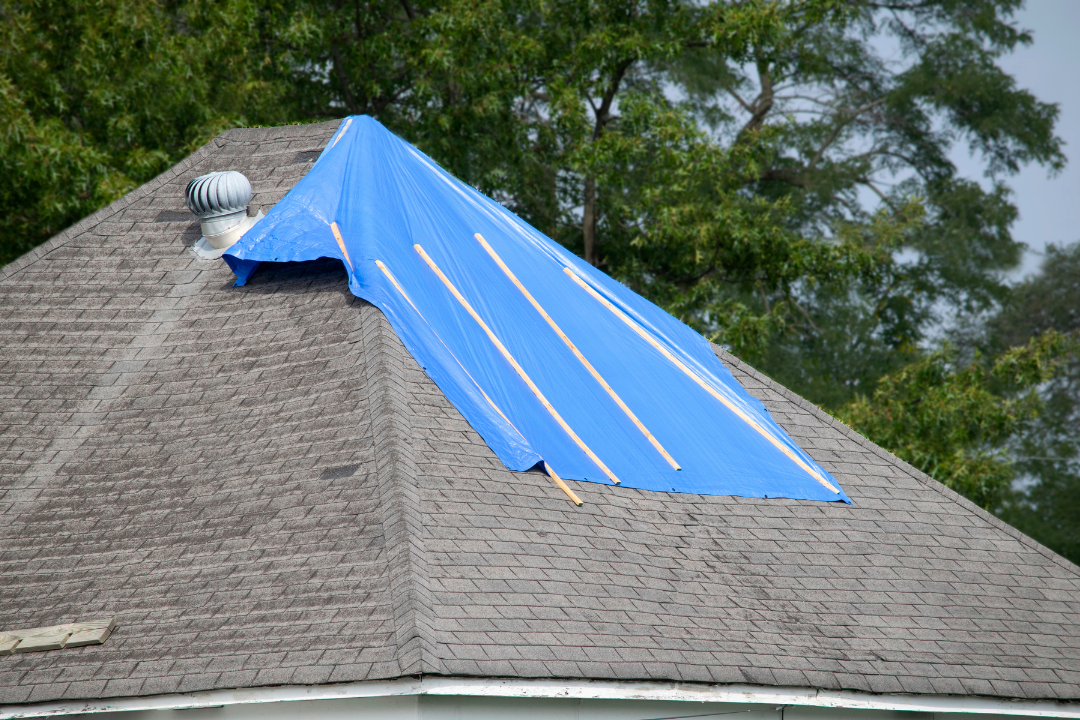
After a storm rolls through, the pressure to act fast is real. You've got a damaged roof, possibly a leak, and a to-do list that feels overwhelming. The last thing you want to do is slow down and ask a lot of questions.
But that urgency is exactly what some contractors count on.
Storm season brings out the best in the roofing industry, and the worst. Alongside legitimate local companies ready to help, it also brings a wave of out-of-town contractors who move from market to market chasing weather events, offering fast turnarounds and low prices before disappearing just as quickly. Knowing what to ask before you sign anything can be the difference between a roof that holds up for decades and a nightmare that costs you twice.
Here are five questions every homeowner should ask a roofing contractor before any post-storm work begins.
1. Can You Show Me Proof of Insurance Right Now?
Not tomorrow. Not once the paperwork is drawn up. Right now.
Any legitimate contractor should be able to produce a certificate of general liability insurance and workers' compensation coverage on the spot. If a worker is injured on your property and the contractor doesn't carry workers' comp, you could be held financially responsible. If your home sustains additional damage during the job and the contractor isn't insured, you may have little to no recourse.
Storm season is when uninsured operators are most active, so this question matters more after severe weather than at any other time. Don't let urgency cause you to skip it.
Red flag: Hesitation, excuses, or a promise to send it later.
2. Are You Based Locally, and Can You Prove It?
This is the storm chaser question, and it's worth asking directly.
Contractors who travel from state to state following storm damage are a well-documented problem in the roofing industry. They tend to offer quick timelines and attractive pricing, complete the job fast, and move on before you have any sense of whether the work was done properly. By the time a problem surfaces, they're long gone and your warranty is worthless.
Ask for a local business address, not a P.O. box. Ask how long they've been operating in your area. Look them up on Google and the Better Business Bureau before agreeing to anything. A contractor with genuine community roots has a reputation to protect and will still be reachable if something goes wrong six months from now.
Red flag: Out-of-state plates, no verifiable local address, or high-pressure tactics to sign the same day they knock on your door.
3. Do You Have Experience Working With Insurance Adjusters?
Storm damage and insurance claims go hand in hand, and the contractor you choose should understand both sides of that process.
A good contractor will know how to document damage thoroughly in a way that supports your claim. They should be willing to be present during the adjuster's inspection to make sure nothing gets missed or undervalued. They should also be able to walk you through what your policy likely covers and help you understand what to expect at each step.
This matters because homeowners who go into the claims process without knowledgeable support often leave money on the table. Damage gets missed. Repairs get underfunded. And by the time you realize it, the window to dispute the settlement may have closed.
One important caution: any contractor who suggests inflating your claim or billing for work that wasn't done is putting you at legal risk too. Work with someone who handles the process honestly from start to finish.
Red flag: A contractor who has never worked with an adjuster before, or one who wants to handle your claim without including you in the process.
4. What Certifications Do You Hold, and What Does That Mean for My Warranty?
Roofing certifications are not just marketing badges. They have real, practical value for homeowners, especially when it comes to warranty coverage.
Programs like GAF's Master Elite certification and CertainTeed's ShingleMaster designation require contractors to meet ongoing standards around training, craftsmanship, and customer satisfaction. Fewer than 2% of roofing contractors in the country hold GAF Master Elite status. That exclusivity exists because the bar is genuinely high.
More importantly, certified contractors can offer enhanced warranty options that non-certified contractors simply cannot. That means better protection on both the materials and the installation itself. After a storm, when your roof is being replaced rather than just patched, that warranty coverage could matter for years to come.
At Elite Roofing and Restoration, we are proud to hold both GAF and CertainTeed Shingle Master Select certifications, giving our customers access to the strongest warranty coverage available.
Red flag: A contractor who can't name their certifications or explain what warranty coverage you'd be entitled to.
5. What Exactly Does Your Warranty Cover, and Is It in Writing?
Speaking of warranties, get the details before the work starts, not after.
There are two separate types of coverage to understand. The manufacturer warranty covers defects in the roofing materials themselves and is backed by the company that made them. The workmanship warranty covers the quality of the installation and is the contractor's responsibility. Both should be provided to you in writing, and you should read them before signing anything.
Pay attention to the length of each warranty, what voids it, and who you contact if a problem arises. A contractor who gives you vague answers or brushes off warranty questions is telling you something important about how they'll respond if something goes wrong down the road.
Red flag: Verbal promises only, no written documentation, or a "lifetime warranty" with no specifics attached.
The Bottom Line
After a storm, the instinct to move quickly and get your roof fixed is completely understandable. But taking 15 minutes to ask these five questions before you commit to a contractor can save you from a far bigger problem down the road.
The right contractor will answer every one of these questions without hesitation. If someone can't or won't, that's your answer too.
At Elite Roofing and Restoration, we've spent over a decade helping homeowners navigate storm damage, insurance claims, and roof replacements with honesty and care. If you've recently experienced storm damage, we'd be glad to start with a free inspection and walk you through every step from there.
