
Does a New Roof Increase Home Value?
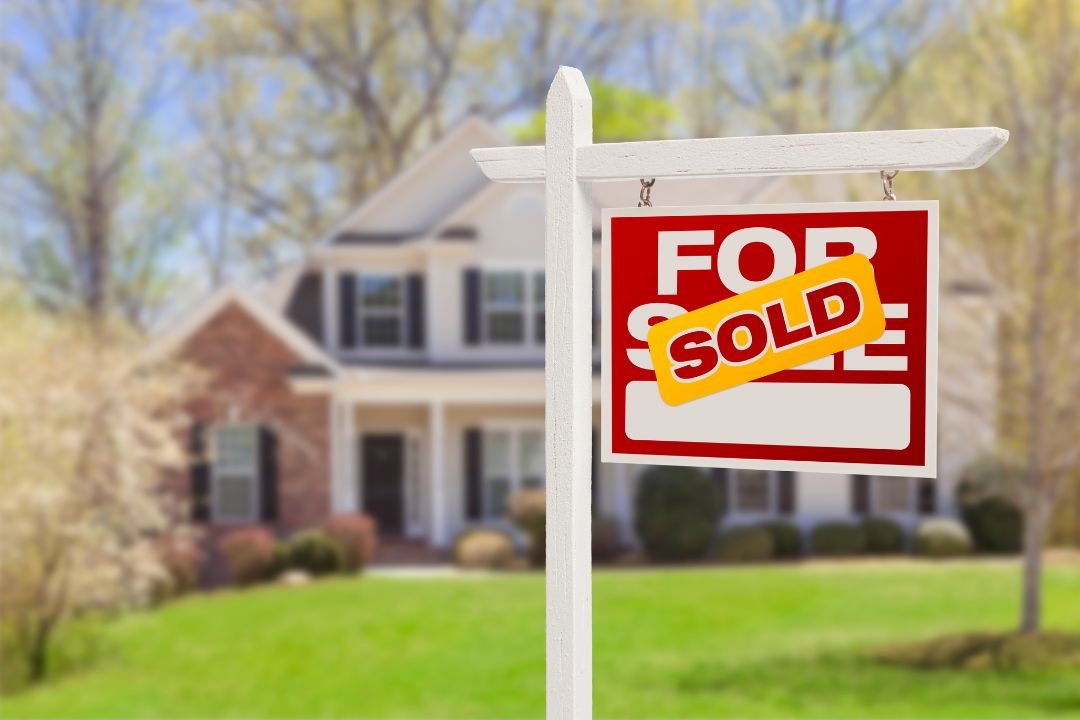
When buyers walk up to a home for the first time, the roof is one of the first things they notice. And when their inspector starts poking around, it's one of the first things on the checklist.
A roof in poor condition can derail a sale faster than almost any other issue. It gives buyers a reason to lowball their offer, drag out negotiations, or walk away altogether. In a competitive market, that's a risk most sellers can't afford to take.
If you're getting ready to list your home and wondering whether your roof is an asset or a liability, this guide will help you figure out exactly where you stand and what to do about it.
Roof Repair vs. Roof Replacement: What Sellers Need to Know
Not every roof situation calls for a full replacement. The right move depends on the age and condition of your current roof, your budget, and how much time you have before listing. Here's a breakdown of your options:
Shingle Replacement
If the damage is isolated to a small area and the underlying structure is sound, replacing individual shingles may be enough. This is the least expensive option and works well when the roof is otherwise in good shape. Keep in mind that new shingles may not match older ones perfectly, which can be noticeable and may still come up during inspection.
Partial Re-Roofing
This covers a larger section of the roof without replacing the whole thing. It's a middle-ground option that works in some situations, but buyers and inspectors are often skeptical of partial work. It can raise questions about what was left untouched.
Full Roof Replacement
A full replacement is the most impactful option when it comes to resale value and buyer confidence. It removes any uncertainty about the roof's condition, gives buyers a transferable warranty in many cases, and eliminates one of the most common negotiation leverage points in a home sale.
Tear-Off vs. Roof-Over
A tear-off means removing the existing shingles down to the decking before installing new ones. A roof-over installs new shingles directly on top of the old ones. Roof-overs are less expensive upfront, but they add weight to the structure, hide potential underlying problems, and are not permitted in some areas if there is already more than one layer of shingles. They can also raise red flags with buyers and inspectors. We recommend a tear-off in almost every case. It gives you a clean slate, allows the decking to be inspected and repaired if needed, and results in a longer-lasting roof that holds up better over time.
Return on Investment: What a New Roof Is Actually Worth
Nationally, homeowners recover an average of 60 to 70 percent of the cost of a new roof in added resale value, according to industry cost-versus-value data. In the Southeast, where storm activity and heat put more wear on roofing systems, a well-maintained or newly replaced roof tends to carry even more weight with buyers.
It's worth understanding the difference between the two types of value a new roof can add. Appraisal value is the formal dollar amount an appraiser assigns to the improvement. Perceived value is what motivates buyers to pay closer to the asking price, skip repair negotiations, and move more quickly through the process. Both matter, but perceived value is often what makes the biggest practical difference in a sale.
Here's how the most common roofing materials stack up:
Asphalt Shingles Asphalt shingles are by far the most common roofing material in the country, used on roughly 90 percent of homes. They are affordable, widely available, and familiar to buyers and appraisers alike. A new architectural asphalt shingle roof typically costs between $8,000 and $20,000, depending on the size and complexity of the home. They carry a lifespan of 25 to 30 years with proper installation, and they offer one of the strongest ROI figures of any roofing material at resale simply because buyers understand and trust them.
Synthetic or Composite Shingles Synthetic shingles are made from a blend of materials designed to mimic the look of wood shake, slate, or other premium materials while offering better durability and lower maintenance. They typically cost more than asphalt but less than natural slate or tile. Lifespan runs 30 to 50 years depending on the product. They are a strong selling point with buyers who want a premium look without the maintenance demands of natural materials, though they are less universally recognized than asphalt.
Metal Roofing Metal roofing has grown significantly in popularity and for good reason. It is exceptionally durable, with a lifespan of 40 to 70 years, and it holds up well against wind, hail, and fire. It is also energy efficient, reflecting heat rather than absorbing it. The upfront cost is higher, typically ranging from $15,000 to $40,000 or more depending on the material and home size. At resale, metal roofing tends to appeal strongly to buyers who are thinking long-term and may be willing to pay a premium for a roof they know they won't have to replace.
Tile, Clay, or Cement Tile roofing is among the most durable options available, with lifespans that can exceed 50 years. It is common in certain architectural styles and climates and carries a strong premium appeal. The cost is higher than most other materials, and the added weight requires a structurally sound roof deck. For the right home and the right buyer, tile roofing can be a significant selling point. For homes where it feels out of place architecturally, the premium may be harder to recoup.
When Should You Replace Your Roof Before Selling?
Timing matters more than most sellers realize. Here is what to consider:
How far in advance should you replace? Ideally, replace your roof at least 30 to 60 days before listing. This gives the installation time to settle, allows any minor touch-ups to be completed, and means you can include the new roof in your listing with documentation ready for buyers and their agents.
Does a new roof need time before an appraisal or inspection? Not necessarily. A reputable installation is ready to be inspected immediately. What you do want to have on hand is the contractor's warranty documentation, the manufacturer's warranty information, and any permits pulled for the job. Inspectors and appraisers will ask for these.
What if you're already under contract? It's not too late, but it's more complicated. If an inspection has already flagged roof issues, you'll be negotiating from a weaker position. Replacing the roof at that stage is possible but typically happens as a seller concession rather than a proactive investment. Getting ahead of it before you list is always the better position.
Should you replace before or after getting a listing price from your agent? Before. A new roof gives your agent a stronger number to work with and removes a common objection from the conversation. Many agents will tell you that a home with a documented new roof is simply easier to sell and easier to price confidently.
What about first impressions online? The majority of buyers form their opinion of a home before they ever step inside, based on photos they see online. A clean, new roof photographs well and contributes meaningfully to curb appeal in listing photos. It's one of the more underrated benefits of replacing before you list.
Signs Your Roof Needs Attention Before Listing
These are the things that will catch a buyer's eye or surface during inspection, and give them leverage to push your price down.
Visible from the curb:
Buckling or warping shingles
Cracked or missing shingles
Visible sagging along the roofline
Wind or hail damage
Granule loss, which shows up as bare or worn patches on the shingles
Found during inspection:
Active or past leaks
Sagging roof deck, which can indicate underlying rot
Improper or deteriorating flashing around chimneys, vents, and skylights
Water stains in the attic
If any of these sound familiar, a professional inspection is the right first step. Some issues are less serious than they look. Others are more serious. Either way, knowing what you're dealing with before a buyer's inspector finds it puts you in a much stronger position.
What This Means for Your Sale
A new roof does more than protect the home. It adds curb appeal, supports a stronger appraisal, shortens the time your home sits on the market, and gives buyers the peace of mind that one of the biggest expenses in homeownership is already taken care of. Most importantly, it removes one of the most common tools buyers use to negotiate your price down.
You don't need to figure out your next steps alone. Start with a free roof inspection from Elite Roofing and Restoration. We'll assess the current condition of your roof, give you an honest picture of what you're working with, and help you decide whether repair or replacement makes the most sense before you list. We'll make the process as straightforward as possible from start to finish.
