
Why Roof Inspections Matter, Even When Nothing Looks Wrong
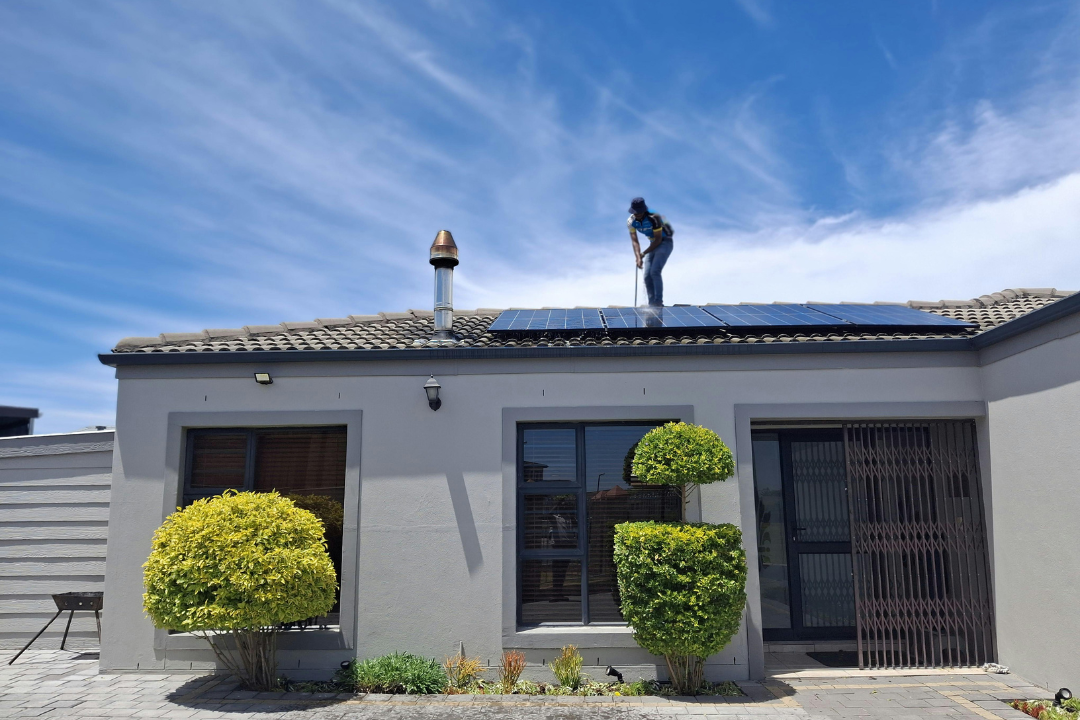
Most roofs do not fail all at once.
In many cases, roofing problems begin developing long before homeowners notice a stain on the ceiling or water dripping into the house. By the time visible signs appear indoors, the underlying issue may have been progressing for quite some time.
That is one of the biggest reasons regular roof inspections matter.
A roof is constantly exposed to heat, moisture, sunlight, debris, and changing temperatures throughout the year. Even when everything appears fine from the ground, certain areas of the roofing system may already be beginning to wear down.
Professional inspections help identify those issues early and give homeowners a better understanding of the overall condition of their roof.
Roofing Problems Often Begin in Overlooked Areas
Many of the most important parts of a roofing system are areas homeowners rarely think about.
Roof valleys direct large amounts of rainwater off the home and naturally experience more wear over time. Flashing around chimneys, vents, and skylights helps seal vulnerable areas where water could otherwise enter. Gutters also play a major role by directing water safely away from the roofline and foundation.
Because most homeowners are not climbing onto their roofs regularly, these issues often go unnoticed until the damage becomes more visible or more expensive to repair.
When these areas begin to deteriorate, the warning signs are not always obvious. Homeowners may notice dark streaks on the roof, excess granules collecting near downspouts, or gutters beginning to pull away slightly after heavy rain. While these changes can seem minor, they may indicate areas that need closer attention.
Georgia’s Climate Creates Constant Wear on Roofs
Georgia weather places ongoing stress on roofing systems throughout the year.
Summer heat and UV exposure gradually wear down roofing materials over time, while humidity can cause moisture to linger longer in shaded areas of the roof. Leaves, branches, and other debris can also trap moisture and interfere with proper drainage.
None of this necessarily means a roof is failing. It simply means roofs experience gradual wear, even when problems are not immediately visible.
What a Professional Roof Inspection Looks For
A professional roof inspection looks at far more than whether water is actively entering the home.
This often includes checking for:
missing, loose, or aging shingles
damaged flashing around roof penetrations
soft spots or signs of trapped moisture
gutter and drainage concerns
ventilation issues
exposed nail heads or deteriorating sealants
signs of wear in high-traffic water areas like valleys
Most importantly, inspections help homeowners plan ahead instead of being caught off guard by unexpected problems later.
Preventative Maintenance Protects Your Home Long-Term
A roof protects far more than the structure itself. It protects everything happening inside the home.
When roofing issues go unnoticed for too long, moisture can eventually affect insulation, ceilings, walls, and flooring. Addressing normal wear early helps reduce the risk of larger repairs and can often extend the lifespan of the roof itself.
Regular inspections are one of the simplest ways homeowners can protect their investment, avoid unnecessary surprises, and keep their home performing the way it should for years to come.
A Roof Does Not Have to Be Leaking to Need Attention
One of the most common misconceptions about roofing is that problems only exist once visible leaks appear inside the home.
In reality, many roofing concerns begin gradually and remain hidden for long periods of time before becoming noticeable. Regular roof inspections are one of the simplest ways homeowners can protect their investment, extend the lifespan of their roof, and stay ahead of avoidable repairs.
For homeowners across North Georgia, scheduling a professional inspection can provide valuable insight into the overall health of the roof and help ensure the home remains protected year-round.
