
Why Spring Is the Best Time for a Roof Inspection in Georgia
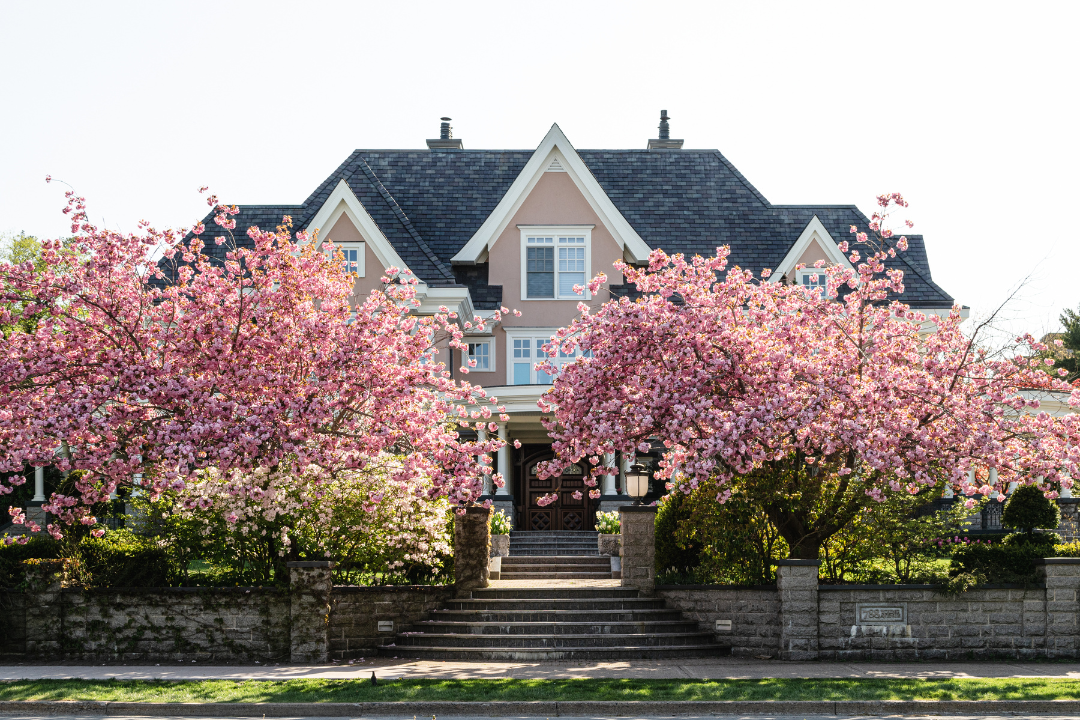
For many homeowners, spring means catching up on the projects that were easy to ignore during the winter. Gutters get cleaned, yards get attention, and maintenance lists finally get tackled. But one of the most important parts of your home is often overlooked: the roof.
Your roof protects everything underneath it through changing temperatures, heavy rain, wind, and debris. By the time a leak appears inside your home, the problem has usually been developing for a while. What begins as minor wear can grow into structural damage if it isn’t addressed early.
That’s why spring is one of the most important times of year to schedule a roof inspection. For homeowners across Georgia, a spring inspection provides the opportunity to catch early warning signs and make sure the roof is prepared for the storms that often arrive later in the season.
How Georgia’s Seasons Affect Your Roof
Roofs in Georgia face a steady cycle of weather changes throughout the year. Even though winters are relatively mild compared to northern states, they still put stress on roofing materials.
During the colder months, temperatures often shift between cool nights and warmer afternoons. These daily temperature swings cause roofing materials to expand and contract. Over time, that movement can loosen shingles, weaken sealant lines, and reduce the effectiveness of flashing around vents, chimneys, and roof valleys.
Winter storms also bring periods of strong wind and steady rain. Those conditions can lift shingle edges or shift flashing in vulnerable areas. The damage may not be obvious from the ground, but it can leave your roof more vulnerable when the weather changes again.
Spring is the transition point. It arrives after months of wear but before the more intense storms that often develop later in the year. Inspecting your roof during this window allows potential issues to be identified and corrected before severe weather puts additional stress on the system.
Damage That Isn’t Always Visible From the Ground
Many roofing issues develop gradually and are difficult to detect without a closer look. From the yard, your roof may appear perfectly fine even when the earliest signs of deterioration are already present.
During a professional inspection, roofers often look for things homeowners might not notice, such as shingles that have begun to lift along their edges, flashing that has pulled away from surrounding materials, or areas where shingle granules have worn down and exposed the asphalt layer underneath.
In Georgia’s humid climate, algae growth is another common concern. Those dark streaks you may see on shingles are often caused by algae feeding on limestone filler in the shingles. While this may start as a cosmetic issue, it can gradually contribute to premature wear if it continues spreading across the roof surface.
Identifying these early warning signs allows homeowners to address them before they lead to interior leaks or more extensive repairs.
Why Waiting Until Summer Can Create Bigger Problems
Many homeowners wait to contact a roofing professional until they notice visible damage inside the home. Unfortunately, by the time water stains appear on ceilings or walls, the roofing system has often been compromised for some time.
As spring transitions into summer, storm activity typically increases across Georgia. Heavy rain, high winds, and occasional hail can quickly exploit areas where shingles or flashing have already weakened.
An issue that could have been corrected easily in early spring can become significantly more expensive once storms begin impacting the roof.
There is also another practical reason to schedule inspections early. If storm damage occurs later in the season, having documentation of the roof’s condition beforehand can help simplify the insurance claim process.
Taking a proactive approach allows homeowners to address developing issues on their timeline rather than reacting to emergency repairs after a storm.
What a Professional Roof Inspection Includes
Many homeowners are unsure what happens during a roof inspection. A professional evaluation involves more than simply checking for missing shingles.
Roofing specialists examine the condition of shingles across the entire roof surface, looking for signs of lifting, cracking, or excessive granule loss. Flashing around chimneys, skylights, vents, and valleys is carefully inspected to ensure these high-risk areas remain properly sealed.
Gutters and drainage systems are also reviewed to confirm that water is flowing away from the home instead of backing up under the roof edge.
Ventilation inside the attic is another important factor. Poor airflow can trap heat and moisture, accelerating the aging of roofing materials and increasing the risk of structural damage over time.
By evaluating the entire system, a professional inspection provides homeowners with a clear understanding of how their roof is performing and whether any maintenance or repairs are recommended.
Homes That Should Prioritize a Spring Inspection
While every home benefits from periodic roof inspections, certain properties should be evaluated more frequently.
Homes with roofs that are more than ten years old are more likely to show signs of aging materials. Properties surrounded by mature trees may collect debris that traps moisture against the roof surface. Homes that recently experienced high winds or heavy storms may also have hidden damage that isn’t immediately visible.
Spring is also an ideal time for homeowners preparing to sell their property. Addressing roofing concerns before listing the home can help prevent complications during the buyer’s inspection process and provide added confidence for potential buyers.
The Value of Staying Ahead of Roofing Issues
A common misconception is that a roof inspection automatically leads to a recommendation for replacement. In reality, inspections are designed to give homeowners an accurate understanding of the roof’s condition so they can make informed decisions about maintenance.
In many cases, inspections confirm that the roof is still performing well and only requires routine maintenance. Addressing early signs of wear can extend the lifespan of roofing materials and help prevent more extensive repairs in the future.
Ultimately, a roof inspection provides peace of mind. It allows homeowners to stay ahead of potential problems rather than discovering them during the next heavy storm.
Protect Your Home Before Storm Season
Your roof plays a critical role in protecting your home, your belongings, and your family. Taking a proactive approach to roof care helps ensure it continues performing the way it was designed to.
Spring offers the ideal opportunity to evaluate your roof after winter weather and prepare for the storms that often follow in the months ahead. A professional inspection can identify developing issues early and help you make informed decisions about the best way to protect your home.
Since 2014, Elite Roofing & Restoration has been trusted by homeowners across Georgia to deliver quality craftsmanship and reliable roofing solutions. If you would like to schedule a roof inspection or learn more about the condition of your roof, our team is always ready to help.
