
A Homeowner's Guide to Water Damage Repair and Restoration
Water damage is stressful, and it rarely happens at a convenient time. Whether you're dealing with flooding, a burst pipe, or a leaky roof, this guide will help you understand the restoration process and what decisions matter most along the way.
Mitigation and Restoration Are Not the Same Thing
This distinction matters more than most homeowners realize.
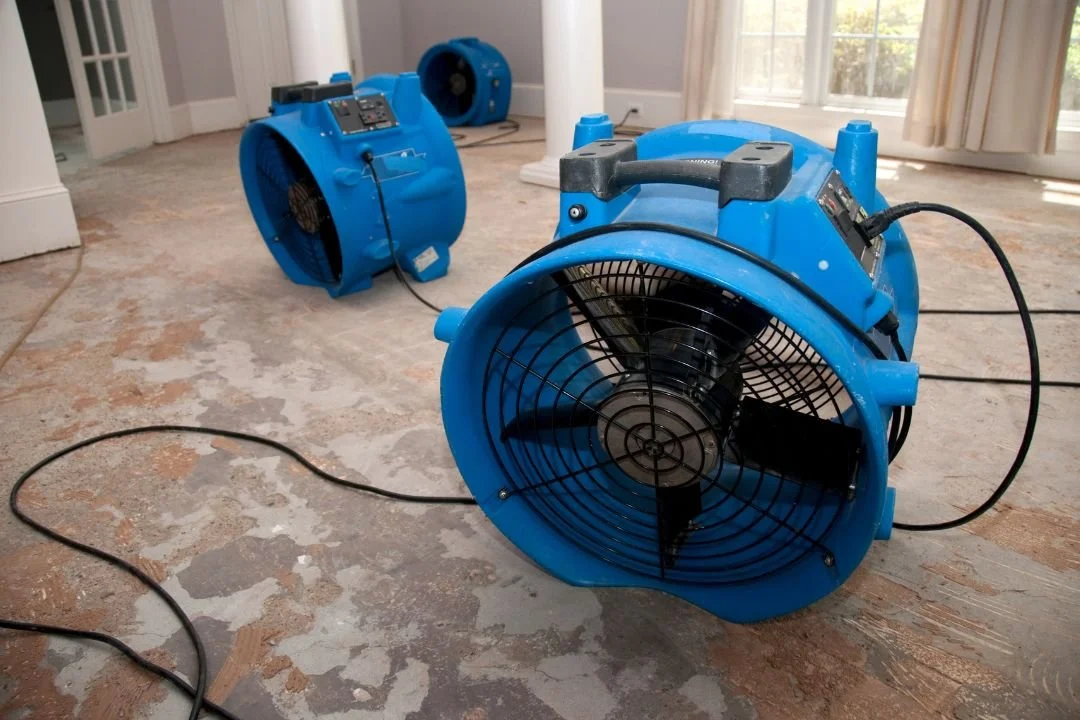
Mitigation is about stopping the damage from getting worse. It includes extracting standing water, placing industrial drying equipment, and monitoring moisture levels until the structure is stable. When the fans and dehumidifiers leave, the home is dry — but it has not been repaired.
Restoration is what comes next: repairing or replacing everything the water damaged. Drywall, flooring, insulation, cabinetry, trim, and paint all fall into this phase, along with structural components in more serious cases.
The gap between these two phases is where homeowners most often assume the job is finished when it isn't.
Water Travels Further Than You Think
Water rarely stays where you first notice it. It moves through drywall, along framing, under flooring, and into insulation without any visible sign on the surface. A basement flood, for example, can soak the subfloor beneath finished flooring above it long before anything looks wrong from the top.
Professionals use moisture meters and thermal imaging to map how far the water actually traveled. Patching over affected areas before they are confirmed dry is one of the most common and costly mistakes in water damage repair.
What Can Be Repaired, and What May Need to Be Replaced?
The answer depends on the material, how much water it absorbed, how long it was wet, and the extent of the damage. Any contractor giving you absolutes before a proper assessment is worth questioning.
Drywall and insulation: Drywall is vulnerable even after it appears dry and can become a host for mold. Fiberglass batt insulation holds moisture and typically needs to be replaced. Rigid foam is more resilient and may be salvageable.
Flooring and subfloor: Hardwood can sometimes be dried and refinished if addressed quickly. Laminate and engineered wood are less forgiving. The subfloor beneath is often the larger concern — new flooring should never go down until it is confirmed structurally sound and dry. Removing damaged flooring sometimes reveals subfloor damage underneath, and opening a wall to address a leak may expose compromised framing or insulation. These aren't surprises a contractor should use to upsell you. They are a normal part of what water damage can involve.
Framing and structural materials: Solid wood framing can often be dried and preserved. The concern is prolonged exposure. Wood that stays wet long enough will rot, and structural components need to be fully evaluated before walls are closed.
Cabinets, trim, and finishes follow similar logic: solid materials recover better than composite ones, and anything sealed back up before it is fully dry will eventually show it.
Mold Is a Real Risk, Not Just a Buzzword
Under the right conditions, mold can begin developing within 24 to 48 hours of water exposure. It is not inevitable, but the risk rises sharply when materials that cannot be adequately dried are left in place, or when walls are closed before moisture levels are confirmed safe.
If mold is already present when a contractor begins the assessment, remediation has to happen before any restoration work starts. Sealing mold behind new drywall does not solve the problem, and moving too quickly to get the house back together is one of the most common ways homeowners end up dealing with a second, more expensive round of repairs.
Questions to Ask Your Restoration Contractor
What areas were actually affected? Ask how they determined the extent of the damage and what tools they used beyond what is visible.
What can be saved, and what needs to come out? A good contractor can give you a clear, material-by-material explanation rather than a blanket recommendation in either direction.
How will you confirm the area is ready for repairs? The answer should involve specific moisture readings at confirmed safe levels before new materials go in.
Who handles the reconstruction? If you are working with a mitigation-only company, find out whether they manage repairs themselves or leave that coordination to you.
Getting Back to Normal
The goal is getting your home back to the way it was, done in the right order, without shortcuts that create new problems. Many water damage situations are covered in whole or in part by homeowners insurance, and working with a contractor who understands the claims process can make a meaningful difference in what gets approved. Document everything, contact your provider early, and choose a contractor with experience working alongside adjusters.
At Elite Roofing and Restoration, we handle water damage response and restoration from the initial assessment through finished repairs, including flooring, drywall, cabinetry, structural work, and everything in between. Our team manages the full process so you are not left coordinating multiple contractors during an already stressful situation.
Dealing with water damage? Elite offers 24/7 emergency service and can help you understand what needs to happen next.
